

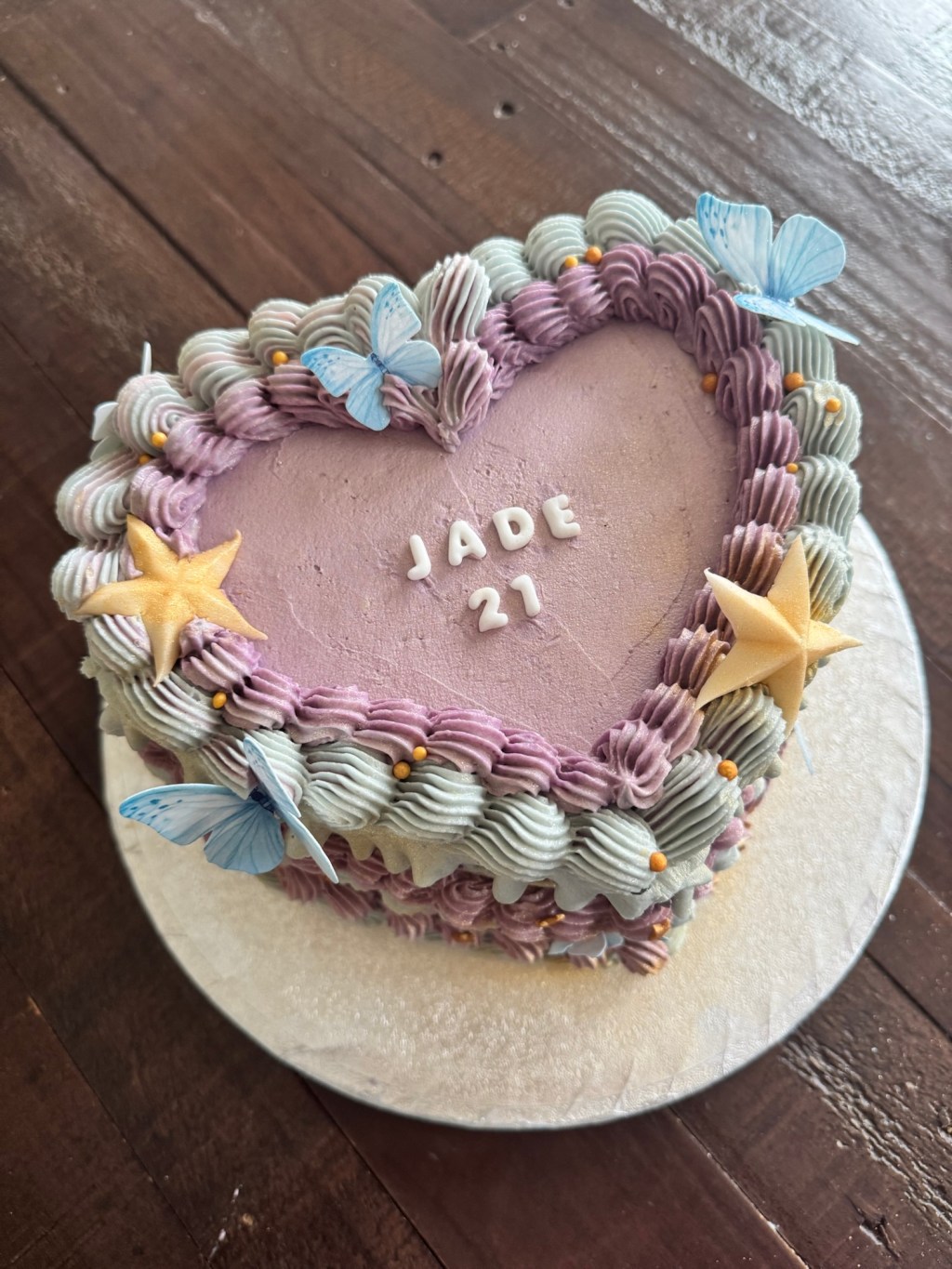
Once a royal relic, now a TikTok darling—Lambeth style cakes are back, and they’re piping hot (literally).
If you’ve ever looked at a cake and thought, “That dessert is wearing a Victorian ballgown,” congratulations—you’ve met the Lambeth style. With more frills than a Bridgerton debutante and enough piping to make your plumber weep, Lambeth cakes are the edible equivalent of a rococo chandelier. But where did this baroque baking madness begin, and why is it suddenly all over your Instagram feed?
A Brief History of Frosting Fanfare
The Lambeth Method was born in the early 20th century, courtesy of Joseph Lambeth, a British cake decorator who clearly looked at architecture and thought, “Needs more icing.” Inspired by ornate European design, Lambeth developed a technique involving overpiping—that’s piping on top of piping, on top of piping, until your cake looks like it’s auditioning for the role of Versailles.
He published his magnum opus, The Lambeth Method of Cake Decoration & Practical Pastries, in 1934, and the world of wedding cakes was never the same. For a while, Lambeth cakes were the it dessert—until the 1950s, when sleek fondant and minimalist design elbowed them off the table like a rude dinner guest.
The Comeback Cake
Fast forward to the 2020s, and suddenly maximalism is back, baby. Blame it on nostalgia, TikTok, or the collective need to feel something—anything—after years of beige buttercream. Lambeth cakes have reemerged as the drama queens of the dessert world, flaunting their ruffles, swags, and scrolls like they never left.
Even Kate Middleton reportedly requested Lambeth-style piping on her royal wedding cake in 2011, proving that even duchesses can’t resist a little frosting flair.
Why We’re Obsessed Again
- They’re unapologetically extra: In a world of clean lines and neutral palettes, Lambeth cakes are the culinary equivalent of shouting “Look at me!” in a room full of whisperers.
- They’re DIY-friendly (ish): With enough patience and a piping bag, even home bakers can channel their inner Joseph Lambeth. Just don’t expect to feel your wrist afterward.
- They’re social media gold: These cakes don’t just sit there—they pose. Every swirl and swoop is a thirst trap for likes.
What could go Wrong?
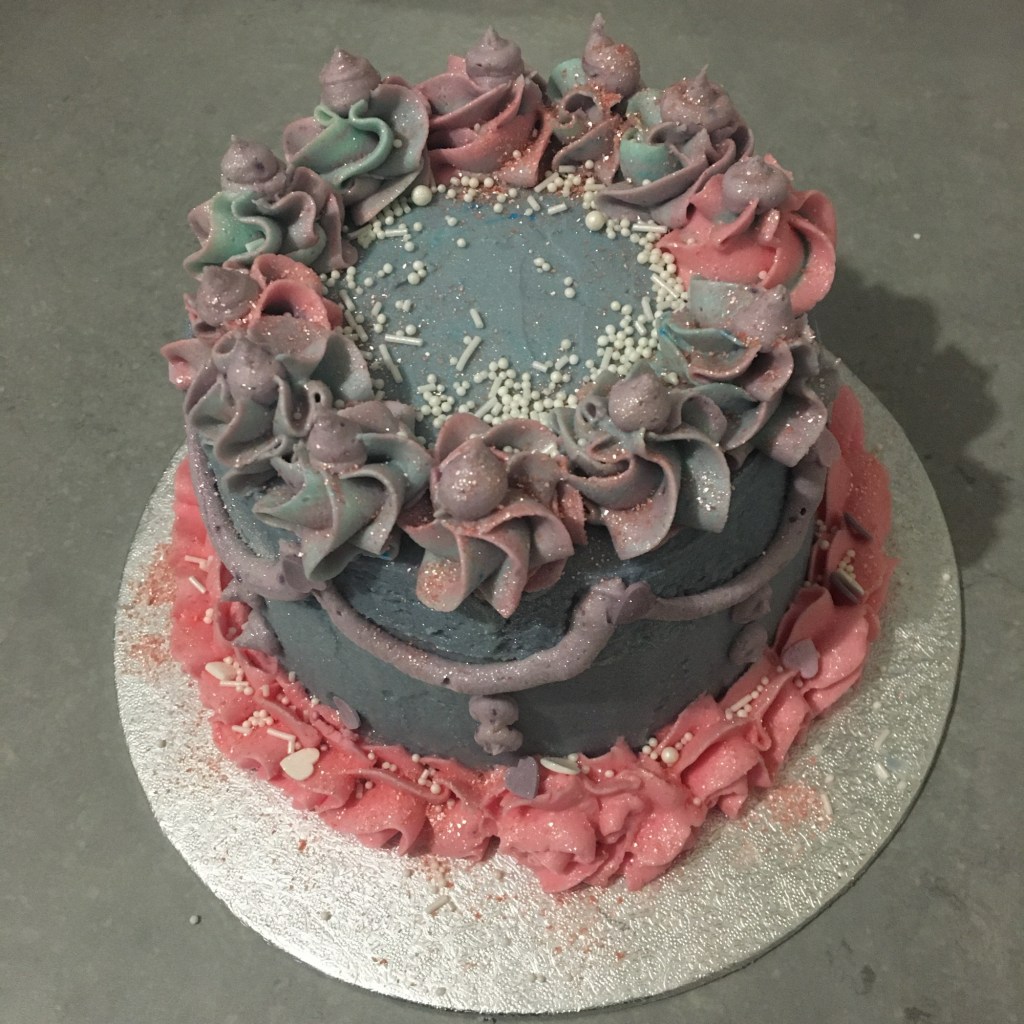
Back in 2021, I tried my hand at my first Lambeth cake. A small, 4-inch mini birthday cake for my MIL’s birthday. The image was clear in my head, pretty frills and extravagant ruffles, but it just didn’t go to plan. It couldn’t have been the heat, it was early February and with the cost of living crisis our small flat was probably cooler inside than the bleak winter outdoors. The colours probably could been better coordinated, but again it wasn’t the issue.
It was the piping nozzles!! Now don’t get me wrong, Wilton’s 1M will always be close to my heart, but there’s a time and a place for that and for a teeny 4-inch cake it wasn’t it. The same can be said for the PME NZ 7 on the sides. So, the smaller the cake, the smaller the nozzles required to give a proportionate frill.
Fast forward to 2024, a bigger cake and a new set of proportionate nozzles (PME Vintage Collection for the win) I had a much better time creating a Lambeth cake and I haven’t failed since (with this style at least!)
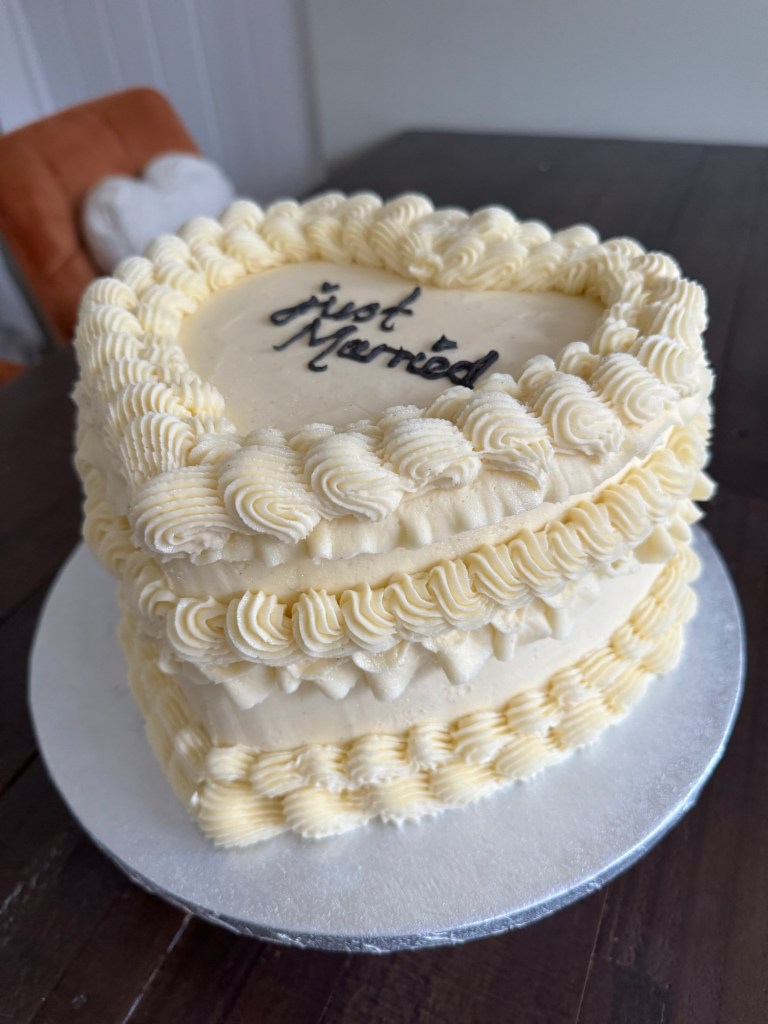
Lambeth cakes are proof that what goes out of style eventually comes back—preferably with buttercream. The good news is that if you start practising now, you may be an expert by its next return (but in the mean time, eye up your nozzles and their size).
So next time you see a cake that looks like it’s wearing a petticoat and pearls, give it a nod of respect. It’s not just dessert. It’s history. With frosting.
 Rachael's Buns
Leave a comment