

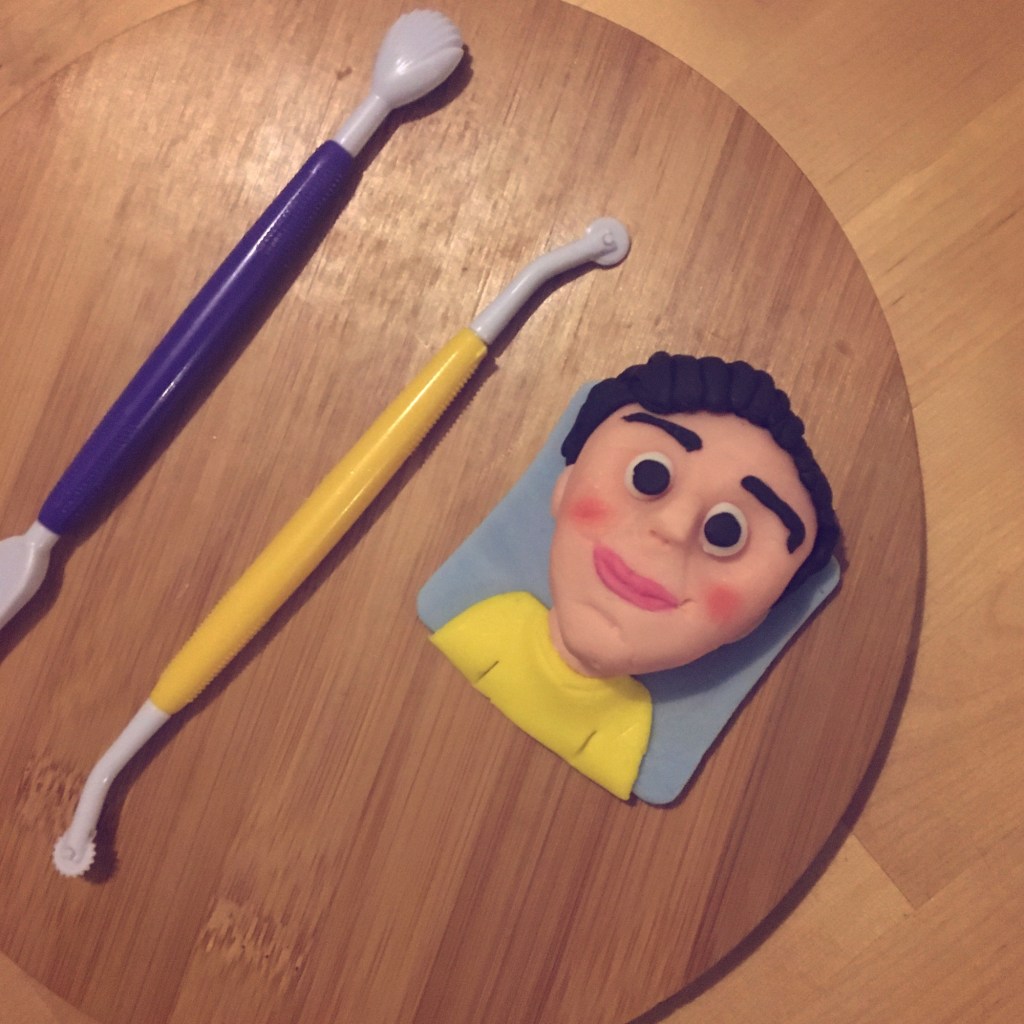
I’m Rachael, a baker and accountant and I want to encourage home bakers to have the confidence to charge for their skills. However, for new bakers, you may be wondering how to get good at fondant and practise your skills before charging for your bakes. Fondant intimidates a lot of home bakers because it seems costly, wasteful, and unforgiving. But becoming confident with fondant is less about buying premium ingredients and more about practising smart, controlling variables, and treating your learning process like a business investment rather than a hobby splurge.
Below is a practical, cost‑aware roadmap to help hobbyists practise fondant techniques professionally, without draining your baking budget.
Why Fondant Feels Expensive (And Why It Doesn’t Have to Be)
Fondant has a reputation for being pricey because:
- You often need large quantities to cover cakes.
- Mistakes can lead to wasted batches.
- Many tutorials assume you’re using brand-name fondant.
- Beginners practise on real cakes, which adds cost.
But the truth is: fondant skills are technique-heavy, not ingredient-heavy. You can learn 80% of fondant work with inexpensive substitutes, controlled practice surfaces, and small-batch recipes.
Start With Budget-Friendly Fondant
- Homemade fondant: Marshmallow fondant costs roughly £2–£3 per batch versus £10+ for branded fondant. It behaves slightly differently, but it’s perfect for practising rolling, smoothing, draping, and modelling.
- Small-batch fondant: Make 300–400g at a time. You’ll waste less and learn faster.
- Off-brand fondant: Supermarket fondant (Tesco, Asda, Aldi) is perfectly fine for practice. Save premium brands for client work.
- Stick to plain, cheap white fondant: Don’t worry about buying different colours initially, practise moulding using white fondant which is often cheaper!
Cost insight: If you practise twice a week using homemade fondant, your monthly cost is around £10–£12. Using branded fondant? £40–£60. That’s a £30+ saving every month.
Practise on Dummy Cakes
Styrofoam cake dummies cost £3–£8 and last for years. They let you practise:
- Covering tall cakes
- Sharp edges
- Paneling
- Draping
- Textures
And you can scrape off the fondant, wipe the dummy, and start again.
Treat Fondant Practice Like Skill Investment, Not Cake Production
Track these three things:
- Cost per practice session
- Time spent per technique
- Waste percentage (how much fondant ends up unused)
Over time, you’ll see patterns:
- Your waste drops as your rolling becomes more consistent.
- Your time decreases as your smoothing improves.
- Your cost per session stabilises.
This is exactly how professionals refine their workflow.
Use a simple spreadsheet or a notebook. Or explore practice tracking.
Break Fondant Skills Into Micro-Practices
Instead of covering full cakes every time, practise small, repeatable drills:
- Rolling consistency: Roll 10 circles to the same thickness.
- Smoothing technique: Smooth fondant on an upside-down bowl.
- Cutting clean edges: Practise trimming on a board.
- Modelling basics: Make simple shapes: balls, ropes, petals.
These drills use tiny amounts of fondant, often less than 50g.
Use Non-Fondant Substitutes for Technique Training
You can practise many fondant skills using:
- Play-Doh
- Air-dry clay
- Plasticine
- Pasta dough
Although they don’t behave exactly the same as fondant, they mimic fondant’s behaviour enough for the below and you don’t have to worry about them drying out so quickly! Use them in the same way to practise:
- Modelling
- Sculpting
- Texturing
- Embossing
- Pattern planning
Use fondant only when you’re ready to refine the final technique.
Store Fondant Properly to Reduce Waste
This is a biggie! You’ve spent hours practising and your back starts to ache, the last thing you want to do is scramble with the cling film to neatly pack away each colour of fondant for the night before doing it all again tomorrow. But fondant dries out fast, which leads to unnecessary waste.
Store it:
- Double-wrapped in cling film
- Inside an airtight tub
- With a tiny smear of shortening
This extends its life from 2–3 days to 2–3 weeks.
If it dries slightly, revive it with 5–10 seconds in the microwave.
Practise With a Professional Mindset
Even if you’re a hobbyist, practise like a boss:
- Set a weekly fondant skill goal
- Track your progress
- Photograph your results
- Build a mini portfolio
- Repeat techniques until they’re muscle memory
This is how hobbyists become professionals, not by spending more, but by practising smarter.
Final Takeaway
You don’t need expensive fondant or endless real cakes to learn professional-level fondant skills. You need:
- Budget-friendly fondant
- Reusable practice surfaces
- Micro-drills
- Smart storage
- A business-minded approach to skill development
 Rachael's Buns
Leave a comment